The community quarterback OrGanization
The organization that brings the whole place together.
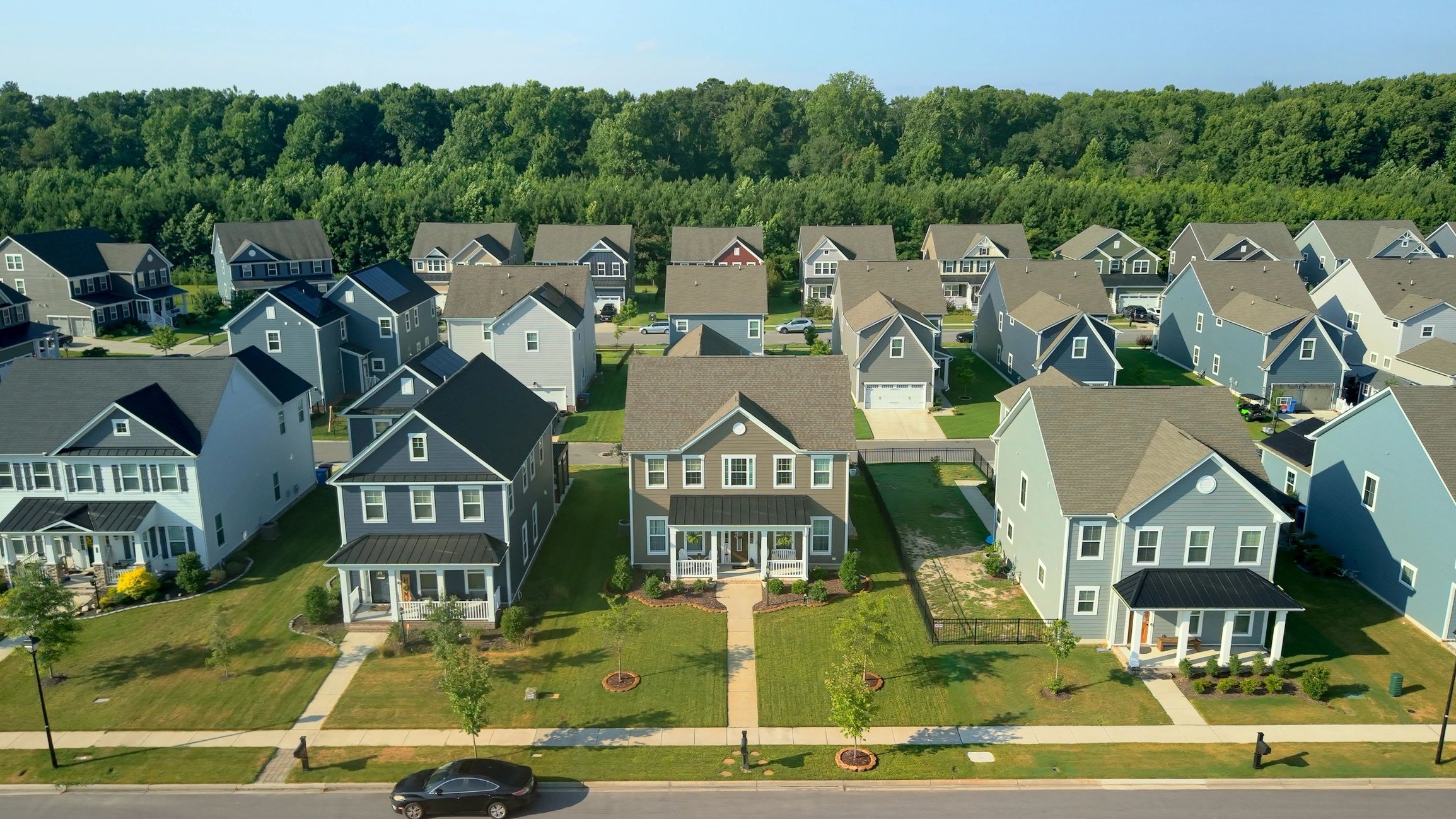
A community quarterback organization is the local organization that aligns people, partners, capital, and long-term strategy to move a neighborhood from fragmented effort to measurable transformation.

Definition
What is a community quarterback organization?
In place-based work, progress rarely comes from one program alone. It comes from a trusted local entity that can hold a shared vision across decades, coordinate institutions across sectors, attract and stack capital, measure results, and keep residents at the center of decision-making.
The quarterback does not replace schools, clinics, housing partners, developers, philanthropy, or government. It makes them work together around a coherent geography and a common set of outcomes.
Core role
What the quarterback does
Core functions that turn shared intent into coordinated action and measurable neighborhood outcomes.
Convener of partners and trusted institutions
Brings cross-sector leaders into a durable table with clear roles, cadence, and accountability.
Translator between community priorities and capital sources
Connects resident priorities to funder requirements, public processes, and investable strategies.
Keeper of the long-term neighborhood strategy
Holds the vision across election cycles and grant periods, keeping work aligned over time.
Integrator of people-based and place-based investments
Ensures housing, education, health, workforce, economic development and public space reinforce one another.
pillars
The Pillars of the model
Why this matters
From silos to systems
Quarterbacks help communities build civic infrastructure that makes investments add up to long-term change.
Communities do not experience challenges in silos.
Families live at the intersection of housing, schools, health, jobs, transportation, food access, and neighborhood safety. Effective revitalization must do the same.
Great projects often fail to add up to systemic change.
Without a backbone organization, communities can end up with disconnected grants, fragmented service delivery, and one-time wins that do not shift long-term outcomes.
They turn isolated activity into civic infrastructure.
Quarterbacks help communities move from scattered effort to aligned execution, resident trust, investable strategies, and durable neighborhood institutions.
National organizations shaping the place-based field
The place-based ecosystem includes national networks, local implementation models, capital intermediaries, and cross-sector platforms. Together, they are building the field of neighborhood transformation, cradle-to-career mobility, health equity, and community investment.
Purpose Built Communities
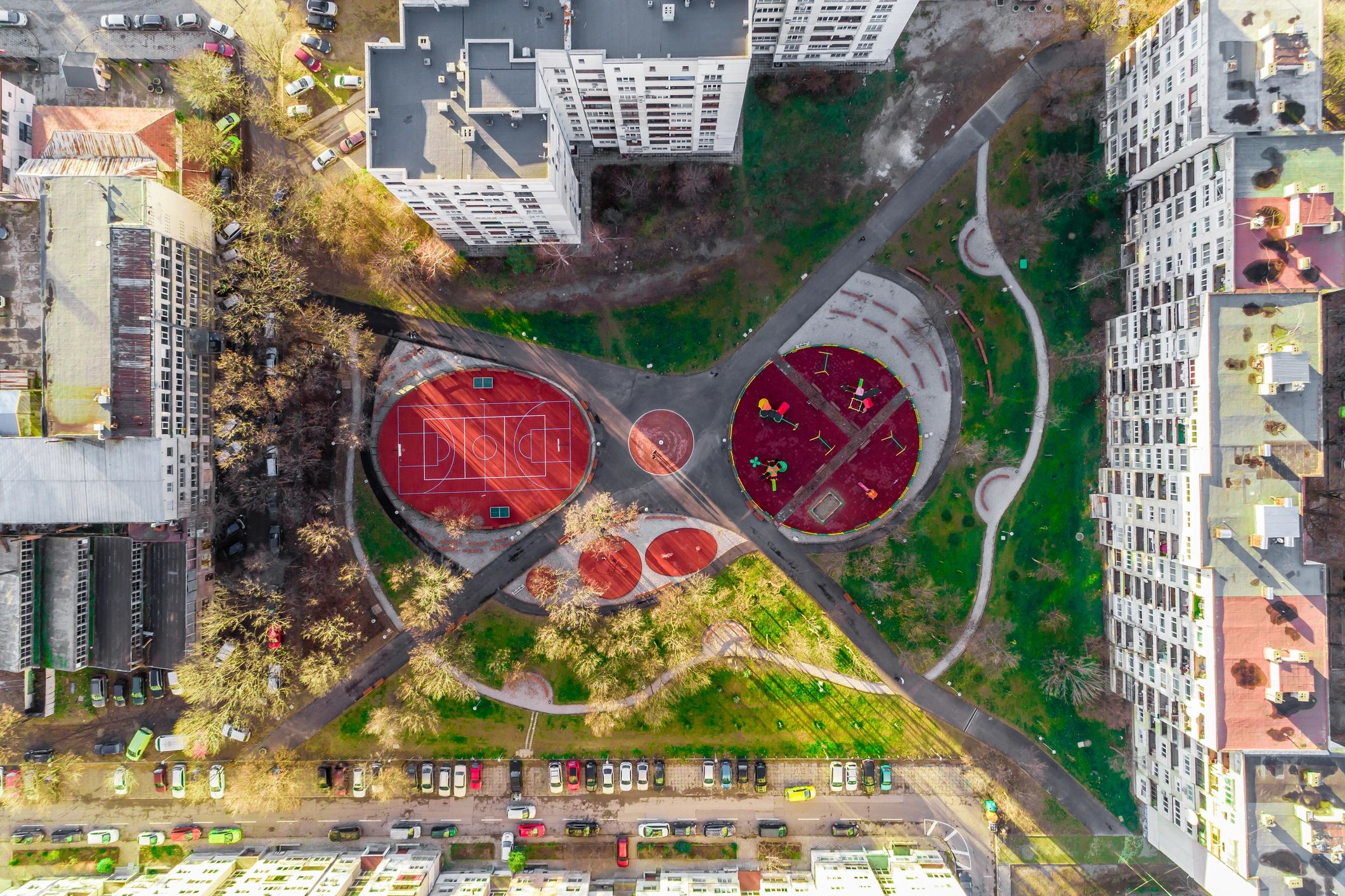
Neighborhood transformation through mixed-income housing, high-quality education, resident wellness, and local community quarterback organizations.
StriveTogether
Community-driven civic infrastructure focused on improving outcomes for children and young people from early childhood to economic mobility.

Harlem Children’s Zone
A landmark cradle-to-career model proving how concentrated, long-term neighborhood investment can change outcomes for children and families.
Partners for Rural Impact
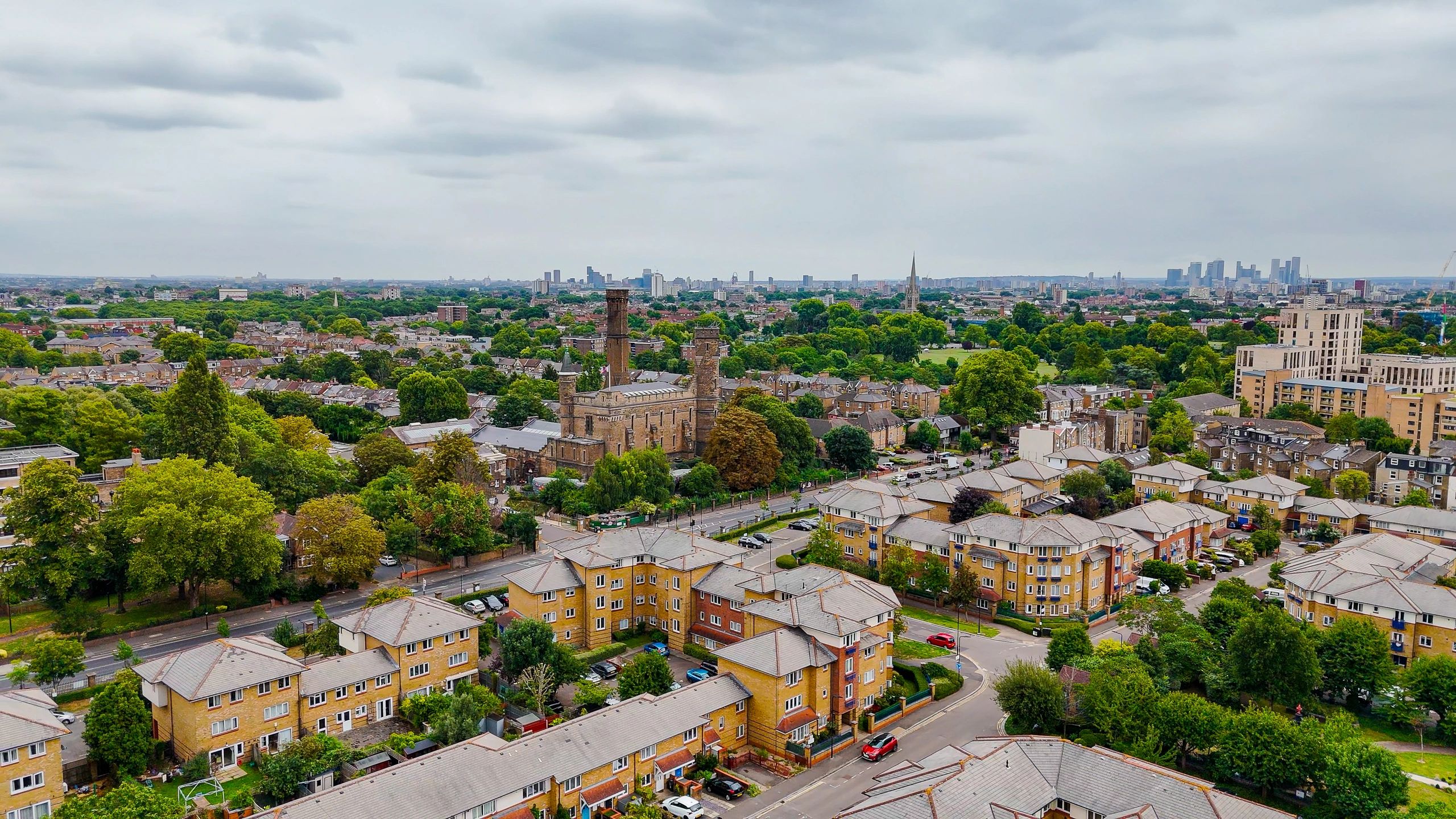
Applies cradle-to-career and civic infrastructure strategies in rural communities, showing that place-based work is not only urban.

LISC
Blends capital, technical assistance, and community partnerships to support housing, economic development, health, safety, and opportunity.
Enterprise Community Partners
Advances housing, resilience, racial equity, and cross-sector place-based strategies that improve outcomes for residents and neighborhoods.
Leading example
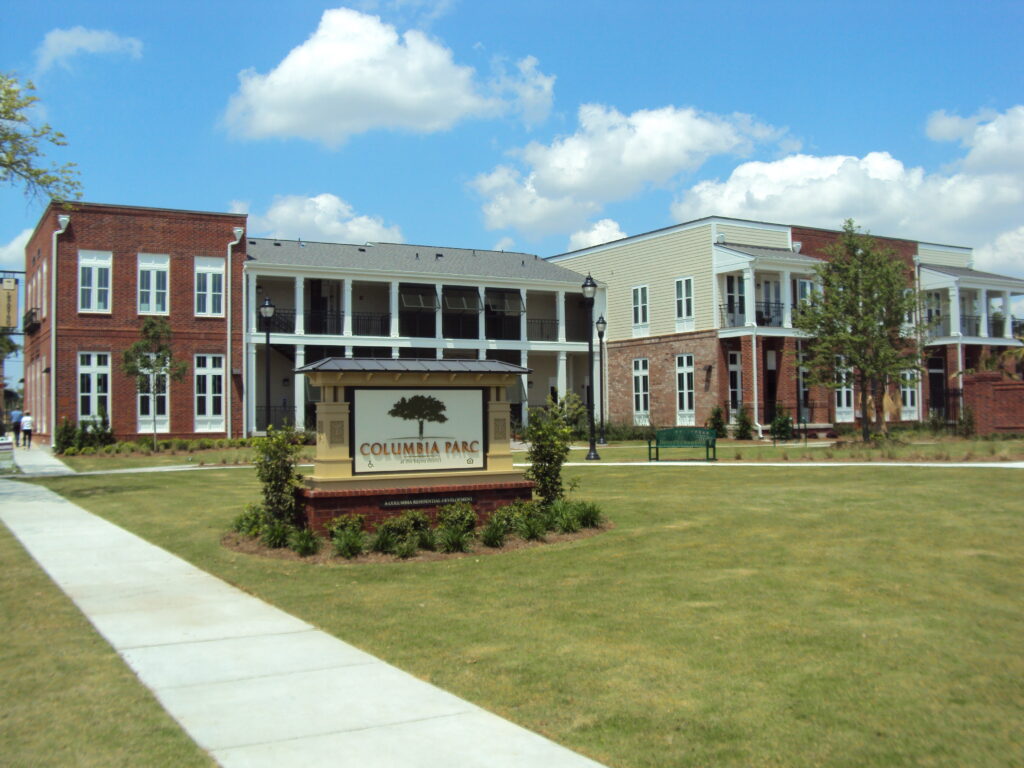
Bayou District Foundation shows what holistic place-based redevelopment looks like.
In New Orleans, the Bayou District Foundation has built one of the clearest modern examples of a community quarterback organization: integrating mixed-income housing, cradle-to-career education, healthcare access, recreation, neighborhood identity, and catalytic economic development into one long-term neighborhood strategy.
18 city blocks of redevelopment anchored at Columbia Parc
685 mixed-income housing units
On-site health access through St. Thomas Community Health Center
A next-generation HealthHub vision integrating groceries, wellness, and teacher housing
A strong place-based ecosystem needs both local quarterbacks and national infrastructure
Local organizations create trust, hold the vision, and deliver neighborhood results. National entities contribute playbooks, peer networks, policy influence, capital pathways, technical assistance, and broader field-building.
The future of community transformation belongs to models that combine both: deep local accountability with scalable national support.
Interested in building stronger place-based ecosystems?
Connect with us to share your work, explore the model, or discuss how community quarterback organizations can help align partners and investment around long-term neighborhood outcomes.