Overview
A holistic, place-based approach
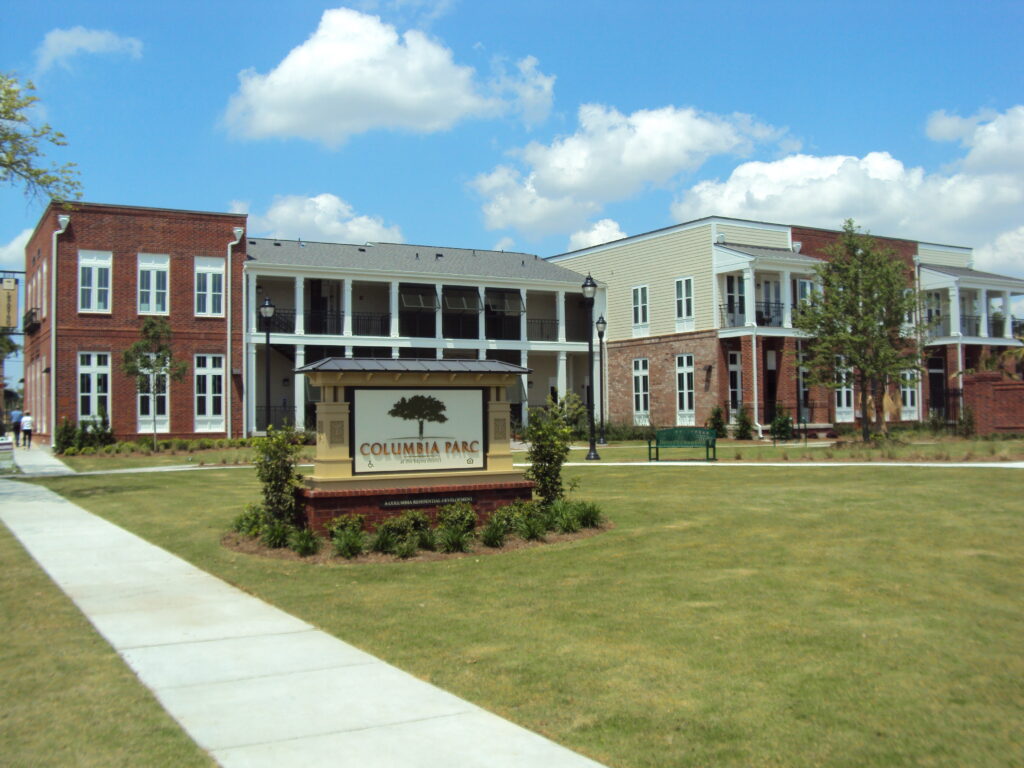
In New Orleans, the Bayou District Foundation has built one of the clearest modern examples of a community quarterback organization: integrating mixed-income housing, cradle-to-career education, healthcare access, recreation, neighborhood identity, and catalytic economic development into one long-term neighborhood strategy.
Rather than focusing on a single program, the Foundation has helped coordinate a full ecosystem at Columbia Parc and the surrounding Bayou District, demonstrating how place, partnership, and disciplined execution can reshape opportunity over time.
Bayou at a glance
What the Bayou District model includes
A coordinated neighborhood strategy that pairs redevelopment with resident-centered services and long-term reinvestment.
01
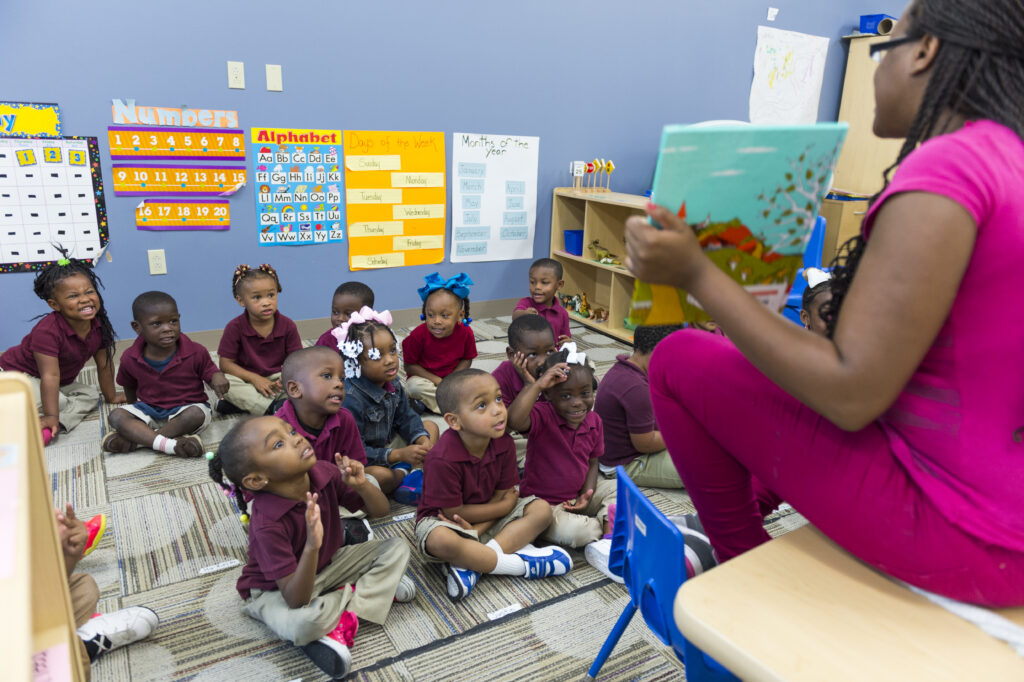
Cradle-to-career education
A pipeline that includes Educare, KIPP Believe, and college-prep pathways—designed to support children and families over time.
02
On-site health access
Healthcare access anchored by St. Thomas Community Health Center, supporting wellness alongside housing and education.
03
Earned revenue for reinvestment
A Bayou Oaks golf partnership that helps generate resources to support neighborhood priorities and long-term stewardship.
How it works
From projects to an ecosystem
The Bayou District Foundation’s work shows how a quarterback can connect partners across sectors—so housing, schools, health services, public space, and economic development reinforce one another.
By holding a long-term strategy and coordinating execution, the model helps move from one-time wins to durable neighborhood infrastructure—while keeping resident priorities at the center.
Place, partners, and people
A visual snapshot of the kinds of assets and collaborations that make comprehensive neighborhood transformation possible.